Beltane, The Ancient Festival of Fire

There is something quite special about the changing of the seasons. Long before we had calendars to tell us when summer had arrived, people watched the land, the skies, the plants and the behaviour of animals to understand the rhythms of the natural world. The turning of the seasons was something to be celebrated, respected and, at times, approached with a little caution.
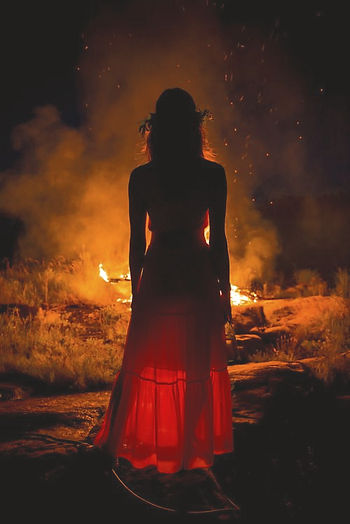
One of these ancient celebrations was Beltane, or Bealtaine, a traditional Gaelic festival marking the beginning of summer. Celebrated on 1 May in Ireland and Scotland, it was a time of bonfires, flowers, feasting and rituals to protect people, animals and the land as the warmer months arrived.
With Celtic and Gaelic ancestry, I have always found these older seasonal traditions, stories and customs particularly fascinating. There is something special about learning how our ancestors lived, how they understood their relationship with the natural world and how they marked the turning of the seasons. The more I learn about these traditions, the more I appreciate the rich folklore and connection to the land that sits behind them. Beltane is one of those celebrations that offers a wonderful glimpse into that world.
For those of us in the Southern Hemisphere, we celebrate Beltane around 31 October and 1 November, when spring is in full bloom and summer is just around the corner. This is a modern adaptation of the traditional seasonal calendar, but the themes of new growth, warmth and the changing relationship between ourselves and the natural world still make it a lovely time to pause and celebrate.
Beltane is probably best known for its fires, and for good reason. Fire was at the heart of many traditional celebrations, bringing communities together and offering protection for the season ahead.

The Magic of the Beltane Fires
Imagine a community gathering on a hillside, a great fire burning against the night sky, people coming together to celebrate the arrival of summer. This is the image many of us associate with Beltane, and it has roots in genuine historical customs.
In traditional Gaelic communities, fire was believed to have protective and purifying qualities. One of the best-known customs involved driving cattle between two fires before taking them out to their summer grazing grounds. This was intended to protect the animals from illness and misfortune.
Cattle were incredibly important to these communities, providing food, wealth and a livelihood. Keeping them healthy was essential, so it is easy to understand why these rituals held such importance.
There are also accounts of people taking embers from the communal Beltane fire back to their homes to relight their hearths. Imagine every household carrying home a little piece of the same fire. It's a lovely image of community and shared good fortune.
Fire remains a popular part of modern Beltane celebrations. Whether you light a bonfire, gather around an outdoor fire pit or simply enjoy the glow of a candle, it is a wonderful way to acknowledge this old tradition.
Flowers, Hawthorn and a Little Fairy Folklore
Beltane wasn't all about fire. Flowers and fresh greenery were also important parts of traditional May celebrations.
In Ireland, people gathered flowers and placed them around their homes, doorways, windows and farm buildings. Yellow flowers such as primroses and buttercups were particularly popular. They brought colour into the home and were associated with protection and good fortune.
Another lovely custom was the May Bush. A small tree or branch was decorated with flowers, ribbons, coloured eggshells and other ornaments. Sometimes these were placed outside individual homes, while in other communities a shared May Bush became the centre of local celebrations.
Hawthorn was particularly significant in this folklore. Its beautiful white spring blossoms made it a natural choice for May decorations, but the tree also had a rather mysterious reputation.
In Irish and Scottish folklore, certain hawthorn trees were believed to be associated with the Good Folk, or the aos sí. These supernatural beings were treated with respect, and people were often reluctant to disturb trees or places thought to belong to them.
Even today, isolated hawthorn trees in the Irish countryside are sometimes treated with particular reverence. It is a lovely reminder of how folklore can shape our relationship with the landscape.

The Good Folk and the Otherworld
Beltane was traditionally considered one of the times of year when the boundary between the human world and the Otherworld was especially active.
The Good Folk feature throughout Irish and Scottish folklore, and they weren't quite the cute little fairies we might imagine from children's stories. They were powerful beings who could bring good fortune or cause trouble, depending on how they were treated.
People took precautions to protect their homes, animals and food, particularly around the seasonal festivals. Flowers were placed at entrances, protective customs were observed and certain places, such as ancient mounds and fairy trees, were treated with great respect.
Holy wells were also important in traditional Irish folk practice. People visited these sacred places to pray, seek healing or leave small offerings. Some wells had particular feast days or seasonal customs associated with them.
There is something fascinating about this older understanding of the world, where trees, wells, hills and other natural places could hold their own stories and mysteries.
Food, Feasting and Celebrations
Like most good seasonal festivals, Beltane was also a time for food and gathering together.
In Scotland, one traditional food was the Beltane bannock, an oat-based cake made with ingredients such as butter, eggs and milk. There are accounts of special customs involving the sharing of bannocks, sometimes with one portion marked or blackened as part of a ritual.
Food was closely connected to the season. Milk, butter and other dairy products reflected the importance of livestock, while communal meals brought people together after the long winter months.
It is easy to imagine why this was such a welcome occasion. The weather was improving, animals were heading towards summer pastures and there was finally an opportunity to gather outdoors and enjoy the season.
Beltane Correspondences
Over time, Beltane has developed a rich collection of symbols and correspondences, particularly through modern Pagan and nature-based spiritual traditions. Some come directly from historical May customs and folklore, while others are more recent associations.
Flowers and Plants: Hawthorn is perhaps the most recognisable plant associated with traditional May folklore, particularly its connection with the May Bush and the Good Folk. Primrose, buttercup and gorse bring the familiar yellow colours of spring, while rose and lavender are popular additions to modern Beltane celebrations.
Trees: Hawthorn holds a special place in Irish and Scottish folklore. Birch is associated with renewal and new beginnings, while oak represents strength and endurance. Rowan also has a long history of protective folklore.
Crystals and Stones: For modern Beltane celebrations, moss agate is a lovely choice for its associations with nature, fertility and abundance. Chrysoprase represents renewal and emotional growth, while prehnite is connected with harmony and our relationship with the natural world. Peridot reflects the freshness and vitality of spring, ruby brings passion and courage, and flower agate represents blossoming and personal growth.
Colours: Yellow and gold reflect the traditional May flowers and the warmth of the coming summer. Green represents new growth and the living earth, while red, pink and white are popular modern choices associated with passion, love and fresh beginnings.
Essential Oils: Rose, jasmine, lavender and geranium are popular choices in contemporary Beltane practices. Their floral aromas bring a lovely seasonal feeling to an altar or home. These are modern additions rather than documented ancient Gaelic customs.
Symbols: Bonfires, candles, flowers, ribbons, eggs, the May Bush and the maypole are all familiar symbols associated with Beltane and May celebrations. The maypole, in particular, has become a popular feature of modern Beltane festivities, although its traditions developed in different ways across Europe.
Celebrating Beltane Today
You don't need to recreate an ancient Gaelic celebration to enjoy Beltane. Learning about the old customs can be a celebration in itself, and there are plenty of simple ways to acknowledge the season.
You might light a candle or gather around a fire with friends, bring some fresh flowers into your home or decorate a small May Bush with ribbons and seasonal greenery. If you have a garden, spend some time planting, tending or simply enjoying what is growing.
You could also prepare a little seasonal feast with fresh fruit, homemade bread, honey and herbs. The idea is to enjoy the abundance of the season and perhaps share a little of it with the people around you.
If you enjoy working with crystals, herbs and other natural objects, you might create a small seasonal display using some of the correspondences mentioned above. Just remember that these are contemporary ways of working with the festival, rather than all being part of its ancient history.
A Beltane Ritual: Welcoming the Fire
Beltane is a lovely time to bring a little seasonal magic into your own practice. Inspired by the traditional fires and flowers of the festival, this simple ritual is about welcoming the warmth of the coming summer, honouring the natural world and inviting new possibilities into your life.
You will need a candle, a small selection of seasonal flowers, a few fresh herbs such as rosemary or lavender, and a crystal of your choice. Moss agate, peridot, flower agate or ruby would all make lovely additions.
Find a quiet place where you can create a small seasonal altar. Arrange your flowers and herbs, place your crystal nearby and light your candle. As you do, take a few moments to think about the traditional Beltane fires and what they represented: protection, renewal and the beginning of a new season.
Sit quietly and watch the candle flame. Think about what you would like to welcome into your life over the coming months. Perhaps there is something you want to nurture, a creative idea waiting to take shape, a new direction you would like to explore or simply a little more joy and adventure.
Take a small piece of paper and write down one intention for the season ahead. Keep it positive and something you can actively nurture. Fold the paper and place it beneath your crystal as a reminder of what you are working towards.
Now, take a moment to connect with the flowers and herbs on your altar. Think about the resilience of the plants, the way they respond to the changing seasons and how they continue to grow when the conditions are right. Allow this to remind you that growth takes time and that there is no need to force what is not yet ready.
When you feel ready, speak these words:
By the warmth of the returning sun,
By the flowers and the growing green,
I welcome the fire of life within,
And all the possibilities yet unseen.
May what I nurture flourish and grow,
May my heart remain open to all that may flow,
With gratitude for the earth beneath my feet,
I welcome the summer and all its gifts.
Spend a few more moments in quiet reflection before closing your ritual. Thank the earth and the natural world, and extinguish your candle safely.
You can keep your intention somewhere special and return to it throughout the coming season. Let it be a gentle reminder of what you hoped to nurture when you welcomed Beltane.

Welcoming the Season
At its heart, Beltane was a celebration of an important turning point in the year. It marked the arrival of summer, the movement of animals to fresh pastures and the beginning of another season of growth and activity.
The old customs remind us how closely our ancestors lived with the natural world. They watched the seasons, respected the land, gathered together and marked the changes that affected their everyday lives.
For me, exploring these traditions is also a way of understanding a little more about the people and cultures from which I come. The stories, folklore and customs offer a fascinating connection to the past, and I think there is real value in keeping that curiosity alive.
We don't need to follow every old custom or recreate traditions from another time. We can learn about their origins, appreciate the people who kept them alive and find ways to acknowledge the changing seasons in our own lives.
Whether you celebrate with a bonfire, a gathering of friends, a few spring flowers or a little seasonal magic of your own, Beltane is a lovely opportunity to welcome the coming summer.
Wishing you a beautiful and blessed Beltane!


Comments